

OWHL - Our Way Heritage Lives
The OWHL project brought together seven different partners representing a range of organisations working with learning in European cultural heritage with adults. Here we present the project and the outcome of our work.
The overall aim of the Erasmus+ project Our Way Heritage Lives (OWHL) was to bring together seven partner organisations from five countries providing learning opportunities in European cultural heritage to share best practice, address common challenges, identify new ways of engaging more adults in learning about and participating in cultural heritage, and to achieve greater future sustainability.
Shared Ideas and Experiences through Joint Staff Meetings and Supportive Network
The OWHL Project was based around a series of joint staff training events, hosted in turn by each of the partner organisations over a period of three years from September 2019 to September 2022. Small numbers of staff have travelled abroad to see and experience each organisation’s location, operational strategy and approach to adult education. The international meetings of the OWHL Project have developed the participants’ understanding of a shared European cultural heritage, and in this context, the distinctive contribution made by our own people and places.
We aim to create a supportive network between our organisations that will be a legacy of the project and open to others. We will continue to:
- share best practice
- increase mutual knowledge and understanding of tools and methodologies used to support adult learners in cultural heritage
- enhance the skills and competencies of staff seeking to develop adult learning opportunities and reach new target groups
Individually, the participating organisations share a wealth of experiences and ideas concerning common challenges such as
- the best use of digital media
- working with volunteer staff
- managing geographic and climatic conditions
- engaging with diversity among learners and staff
- communicating local cultural heritage within its wider context
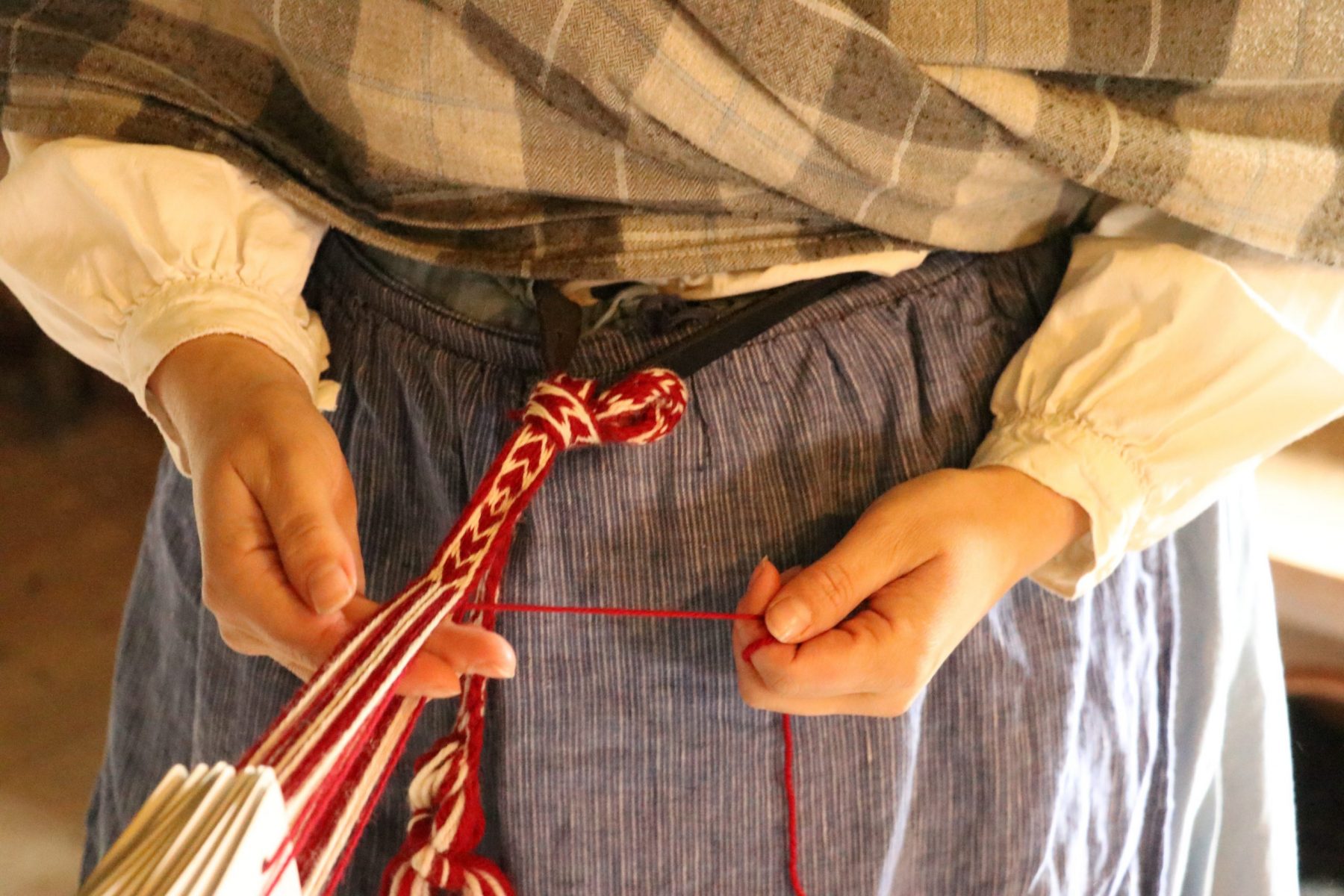
All the partners have a common focus on living history through craftmanship in historical skills, tools and practices.
Some of our challenges are common to the heritage sector in general. Working with volunteers, accommodating diversity among learners, communicating local heritage within its wider context and managing the impact of climate change are but a few of these shared concerns. The coronavirus pandemic has added further complexities to the way organisations operate and has become an important discussion topic for the OWHL Project. By learning from experiences across country borders, the project partners are managing to adapt to a new reality in which digital media offers valuable new opportunities. They have also learnt how to increase visitor numbers through improving the quality of the visitor experience and through greater community engagement.
Participating Partners
The project included the following institutions:
- EBUKI, Earth Building UK & Ireland
- Gamla Linköping Open-Air Museum, Sweden
- Haus Gutenberg, Liechtenstein
- Highland Folk Museum, Scotland
- Ljusdalsbygdens Museum, Sweden
- Sagalunds Museum, Sweden
- Skagafjörður Heritage Museum, Iceland
Learning, Teaching and Training Activities
The activities took place on the following visits to the various countries (or through digital meetings due to the covid pandemic):
- Haus Gutenberg, Liechtenstein, 22-25 October 2019
- Sagalunds Museum (digital meeting) 9-11 June 2021
- Highland Folk Museum & EBUKI (digital meeting), 27-29 September 2021
- Gamla Linköping Open-Air Museum, Sweden, 17-20 May 2022
- Ljusdalsbygdens Museum, Sweden, 20-23 May 2022
- Skagafjörður Heritage Museum, Iceland 22-26 August 2022
Digital Handbook Sharing Best Practices
The OWHL project has benefitted from sharing best practices between the participants through a series of joint training events, one in each country over three years. The visits have enabled us to understand each other’s situation, experience different teaching methods, and to discuss how we might adapt these to suit our own situations. Different staff have joined the meetings, embedding the learning across our organisations and our work is now documented in a handbook that can be shared outside the partnership. The handbook summarises examples of best practices, to inspire and help develop interpretation and dissemination at local, regional, national and international levels. The handbook includes texts, photos and films.
Read more in the digital handbook
These have been some of the key elements in our work with the handbook:
- Celebrating heritage and being authentic, allowing local enthusiasts to demonstrate traditions and history
- Featuring regular workshops with local craftsmen to allow traditional skills to be shared with the rest of the community, extending and preserving traditions and cultural heritage.
- Engaging with minorities and disadvantaged members of society and helping to create meaningful leisure time
- Demonstrating the importance of the guide/interpreter in inspiring learning in the context of living history. Being able to respond to each visitor, or to address the genuine interest of a group, delivering relevant content, frankly and openly is of great importance, especially when discussing societal changes to roles and occupations over time
- Suggesting practical solutions and generating new ideas among partners
”The European Commission’s support for the production of this publication does not constitute an endorsement of the contents, which reflect the views only of the authors, and the Commission cannot be held responsible for any use which may be made of the information contained therein.”